





Rohangupta
|
Consulting, Business awareness and ...
Star this Commitment
Day 10 of 46
Rohangupta commits to:
I will analyze and summarize one business case, economic event, or corporate strategy decision every day for 45 days and maintain a word/written summary.
4
4
|
My Commitment Journal
 Rohangupta
June 25, 2026, 5:17 PM
|
|
|
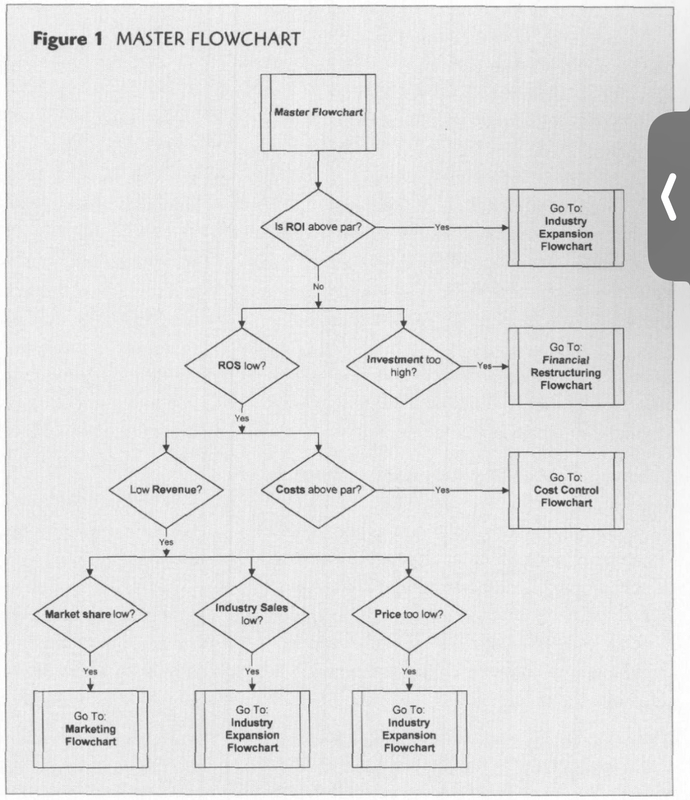
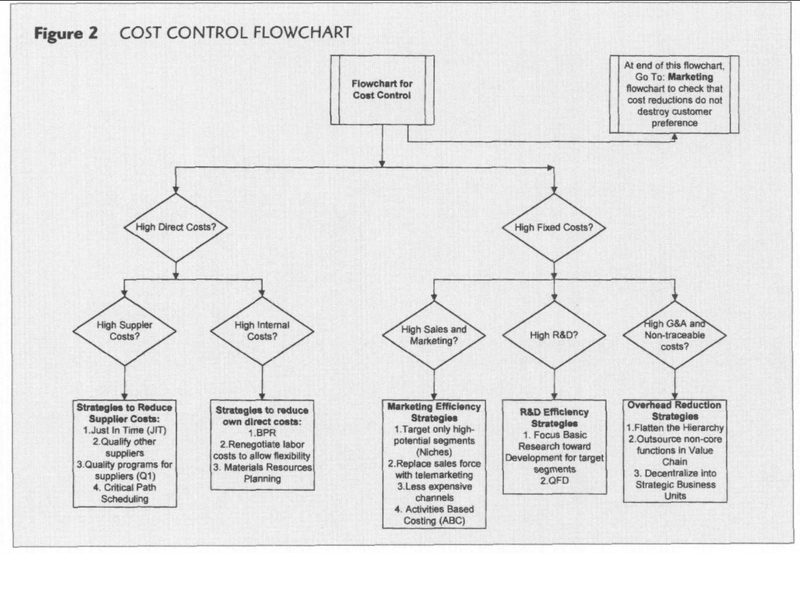
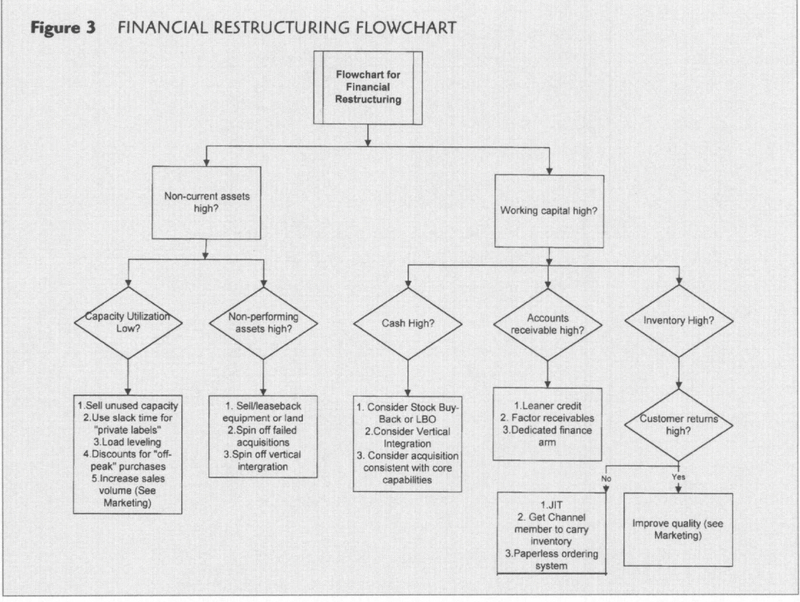
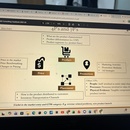
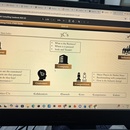
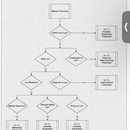
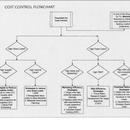
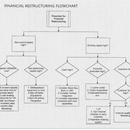
Today is my day 7 , I analyzed the article “A Powerful Tool for Diagnosis and Strategy” by Michael R. Hagerty. The key learning was that management consultants should approach business problems similarly to doctors diagnosing patients. Before recommending solutions, it is important to identify symptoms, rule out alternative causes, and determine the root problem. The article highlighted the use of structured diagnostic flowcharts to systematically analyze business situations across different functional areas such as finance, operations, marketing, and strategy. This reinforced the importance of following a hypothesis-driven and data-backed approach rather than jumping directly to solutions. Through this analysis, I improved my understanding of problem diagnosis, root-cause identification, and structured decision-making—skills that are critical for case interviews and consulting engagements. These insights will help me develop more logical, comprehensive, and effective recommendations while solving business cases. |
|
|
|
|
|
Rohangupta
June 24, 2026, 1:10 PM
|
|
|
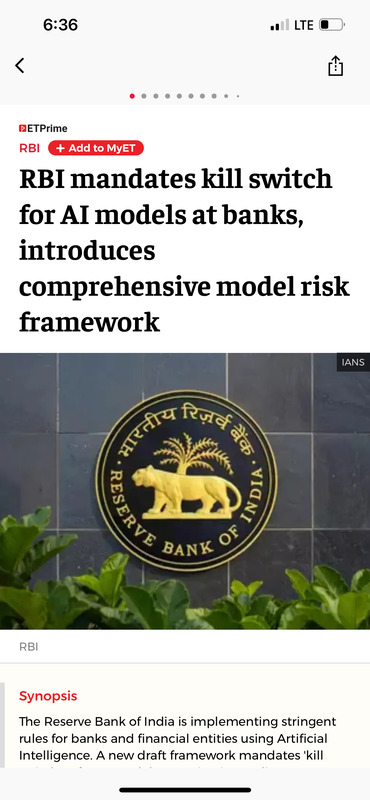
Day 6 Progress Update – 24 June 2026 Today, I continued building my business awareness by analyzing three important business developments. 1. RBI introduces AI Model Risk Framework for Banks The RBI has proposed a comprehensive framework for managing risks associated with AI models in banking, including a mandatory “kill switch” mechanism. This highlights the increasing focus on responsible AI adoption, governance, and risk management in the financial sector. 2. India-US Move Closer to Interim Trade Deal Following discussions between Commerce Minister Piyush Goyal and U.S. Trade Representative Jamieson Greer, both countries have made significant progress toward an interim trade agreement. This could strengthen bilateral trade, improve market access, and create new business opportunities across industries. 3. Reliance Expands AI Ambitions and Provides Jio IPO Update Reliance Industries outlined its plans for AI, digital infrastructure, and future growth while providing updates regarding the potential Jio IPO. The announcement reflects the growing importance of technology-led transformation and innovation-driven growth strategies. Key Learnings: • AI adoption requires strong governance and risk controls. • International trade agreements can drive economic growth and business expansion. • Companies investing in emerging technologies can build long-term competitive advantages. Evidence: Reviewed and analyzed three major business news developments and documented key takeaways to strengthen business understanding and case interview preparation. |
|
|
|
|

|
Rohangupta
June 23, 2026, 4:16 PM
|
|
|
Day 5 – Business News Analysis Commitment (23 June 2026) Today, I analyzed three significant business and economic developments to improve my understanding of markets, macroeconomics, and business decision-making. 1. Global Market Reaction to Federal Reserve Policy I studied how changing expectations regarding future US Federal Reserve interest-rate decisions impacted global stock markets. I analyzed the relationship between interest rates, investor sentiment, capital flows, and business valuations. 2. Indian Market Performance and Economic Activity I reviewed the decline in Indian equity markets following weaker-than-expected business activity data. I explored how manufacturing and services sector performance influences economic growth, corporate earnings, and investment decisions. 3. Oil Price Volatility and Geopolitical Developments I analyzed the impact of fluctuations in crude oil prices amid developments in the Middle East. I studied how oil prices affect inflation, transportation costs, manufacturing expenses, and overall economic stability. Key Learnings: • Monetary policy significantly influences business and investment decisions. • Economic indicators provide early signals about business performance and growth prospects. • Geopolitical events can directly affect commodity prices and business profitability. Time Spent: 30–45 minutes Evidence: Analysis of three major business news articles and documentation of key learnings and business implications |
|
|
Rohangupta
June 22, 2026, 4:03 PM
|
|
|
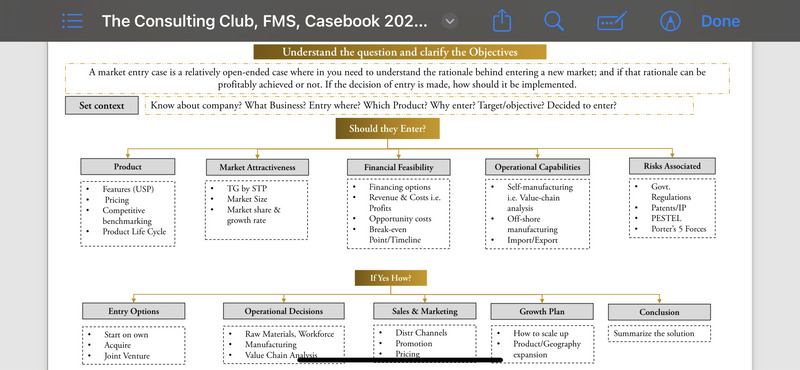
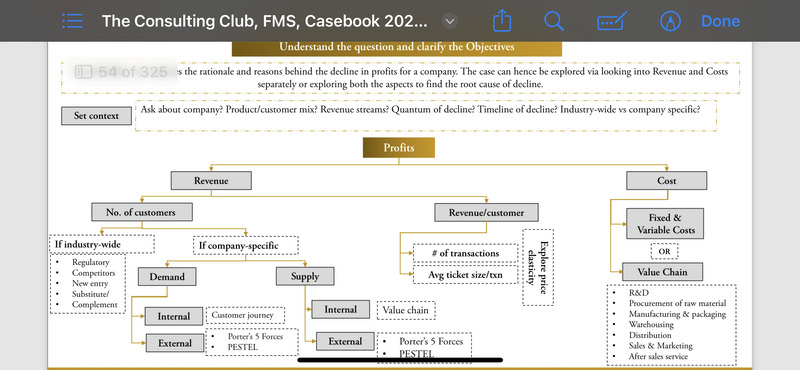
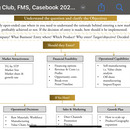
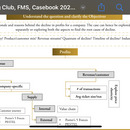
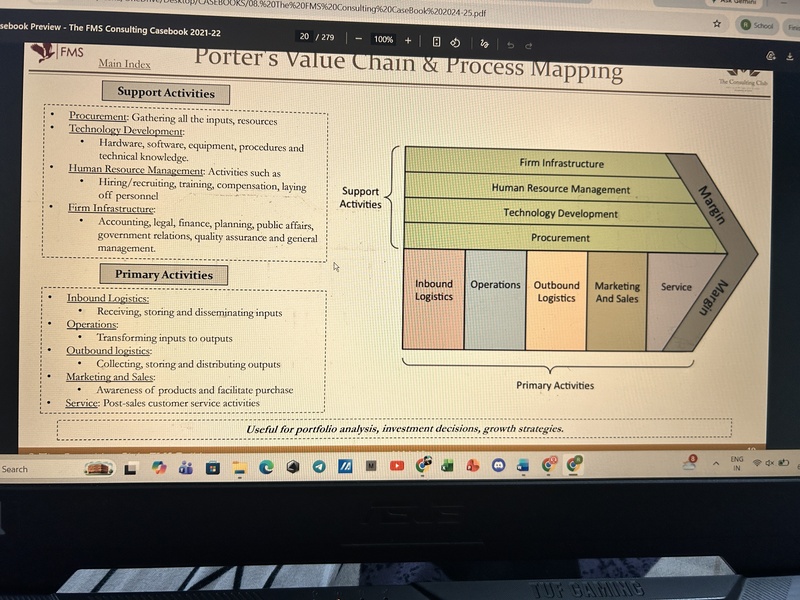
Today, I focused on understanding profitability analysis, one of the most important frameworks in case interviews and business problem-solving. I learned how to approach a profitability problem by first understanding the question and identifying the reasons behind a company’s profit decline. I explored the relationship between Revenue and Cost, which are the two key drivers of profitability. On the revenue side, I studied how revenue is generated through factors such as price, volume, customer segments, product mix, and market demand. On the cost side, I analyzed fixed and variable costs and understood how inefficiencies in operations can affect overall profitability. I also learned how to investigate both internal and external factors influencing a business. Internal factors include operational efficiency, production capabilities, workforce productivity, and financial management. External factors include market conditions, competition, customer preferences, regulatory changes, and economic trends. Further, I explored how companies evaluate market entry opportunities by assessing product-market fit, target customers, competitive positioning, investment requirements, and associated risks. I understood the importance of analyzing financial performance, operational capabilities, and strategic objectives before making growth or expansion decisions. Finally, I learned how to develop structured recommendations by evaluating different entry options, investment decisions, marketing strategies, growth plans, and risk mitigation measures. This framework helps in arriving at a logical and data-driven conclusion for improving a company’s profitability and long-term performance. Today’s learning enhanced my understanding of how businesses diagnose profit-related challenges and make strategic decisions to achieve sustainable growth. |
|
|
|
|
-
 Jun 19, 2026
 -
 Jun 19, 2026
 -
 Jun 19, 2026
 -
 Jun 19, 2026
 -
 Jun 22, 2026
 -
 Jun 22, 2026
 -
 Jun 24, 2026
 -
 Jun 24, 2026
 -
 Jun 25, 2026
 -
 Jun 25, 2026
 -
 Jun 25, 2026
.